Arts Advocate · Ethnographic Researcher
I organized my site by the venues in which I work.
On the Page
Book
Articles & Chapters
Digital
Reviews, Proceedings & Other
On the Screen
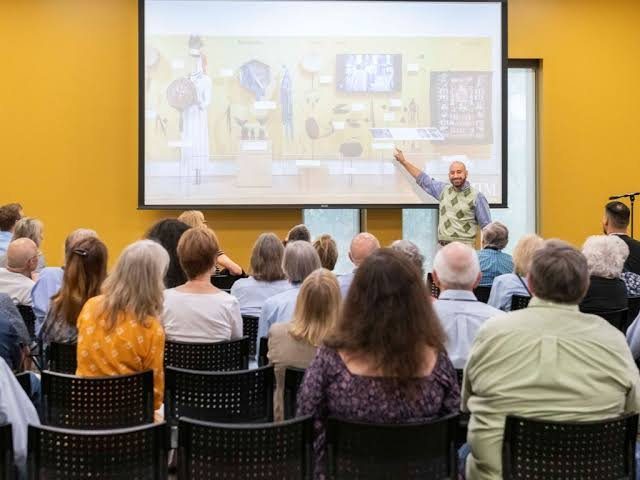
On Camera at MIM
Listening to the Sonoran Desert — in the Arizona Instrument Makers gallery.
In Conversation
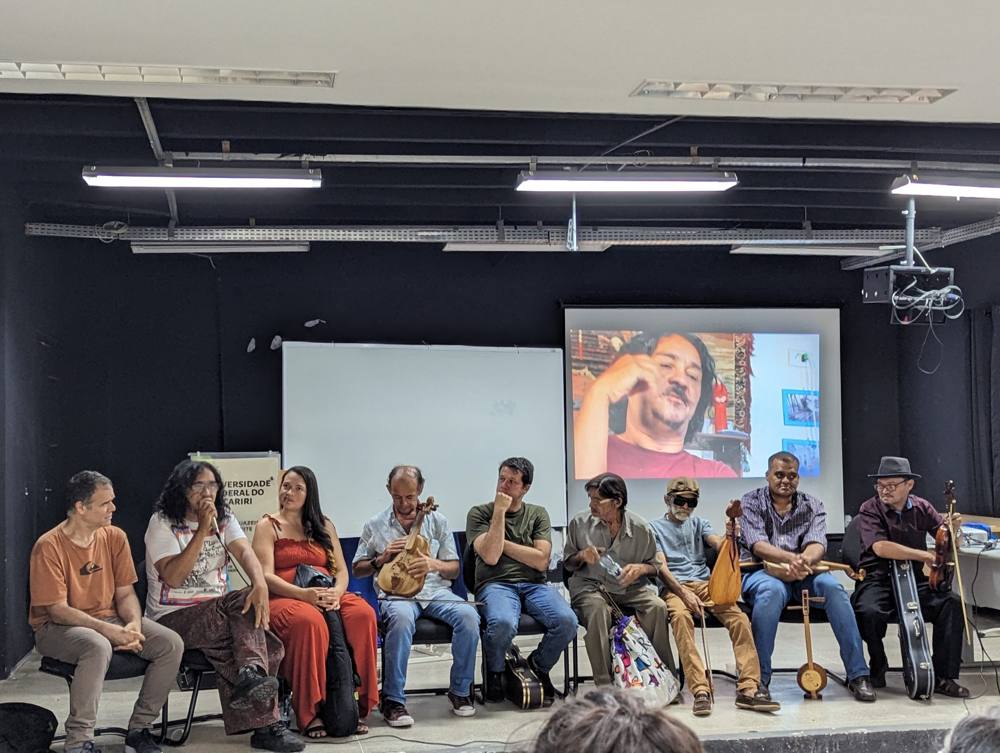
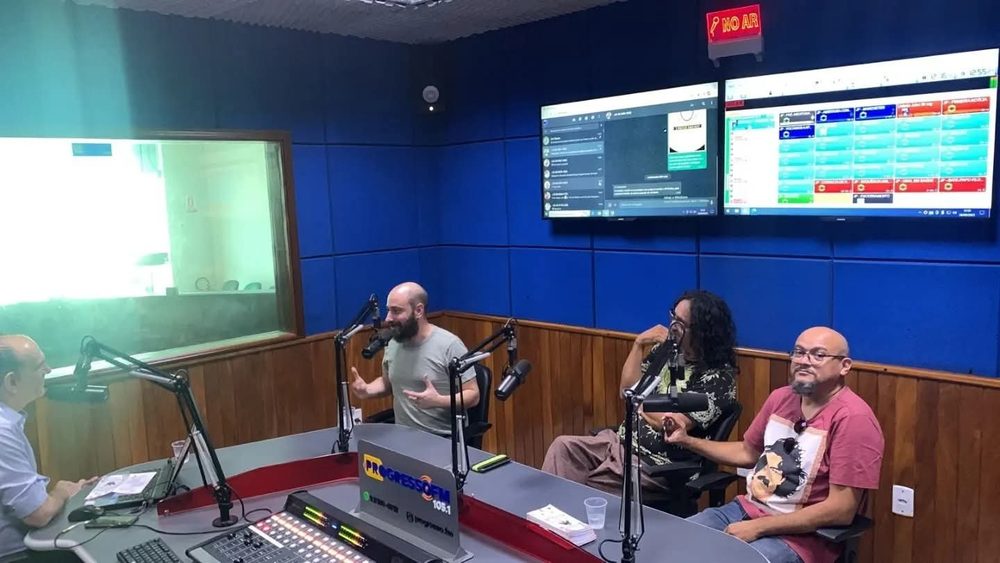
Making “Cultura Popular Brasileira” — the Madeira team in conversation, ICTMD Dialogues, 2021.
Rabecas do Ceará — the podcast's second season opens with the legacy of Gilmar de Carvalho, 2022.
mtvU Films
Viva São João! — the June festival at full tilt. The filmmaker is in this one, dancing.
Mestres do Mundo — the masters-of-culture gathering at Limoeiro do Norte, April 2010.
Ricardo Bezerra — the composer, in conversation, January 2010.
Orlângelo Leal — and Dona Zefinha's regional rock, March 2010.
Sarau — a poetry-and-music evening in Fortaleza, March 2010.
Eu Sou o Sol — Eletrocactus launch their record at the Theatro José de Alencar, July 2010.
Orós — stills from the reservoir town, November 2009.
In Community
The long collaborations — built with other people, in other places, over years.
Madeira Que Cupim Não Rói
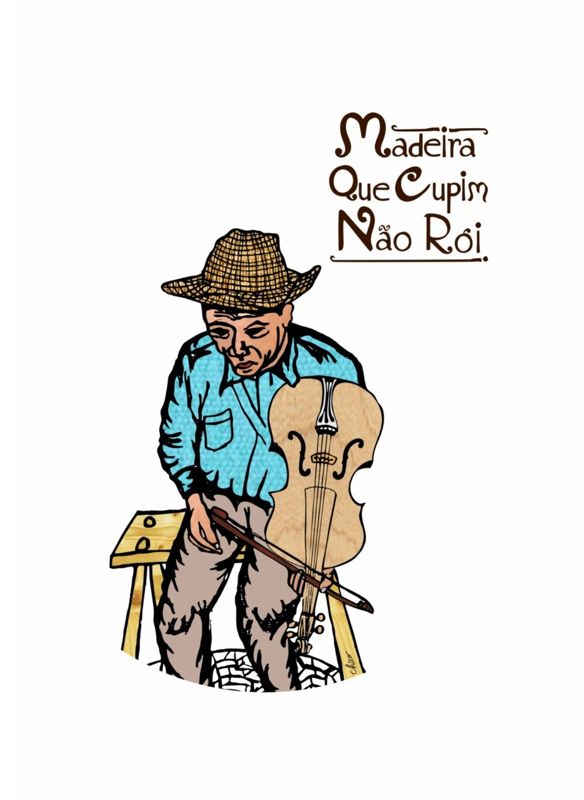
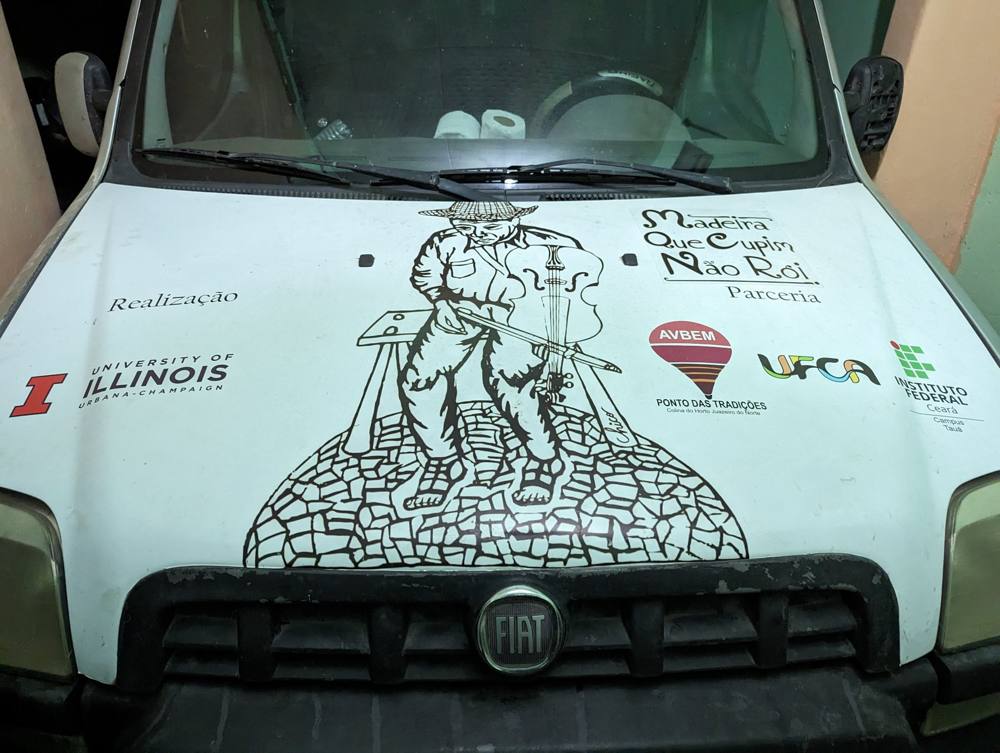
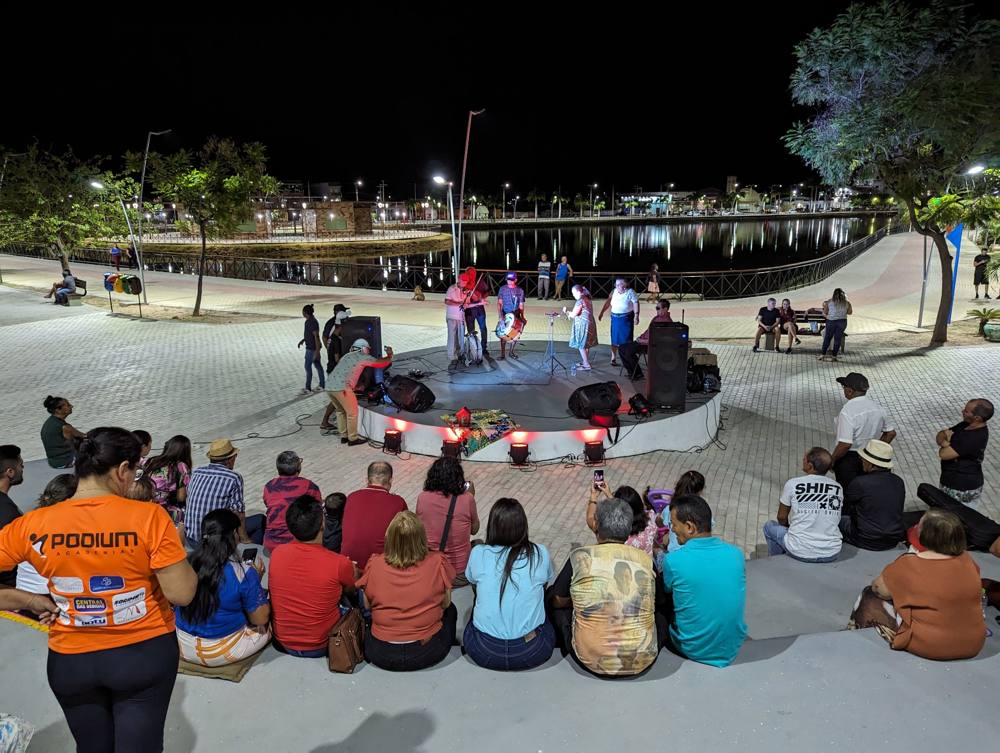
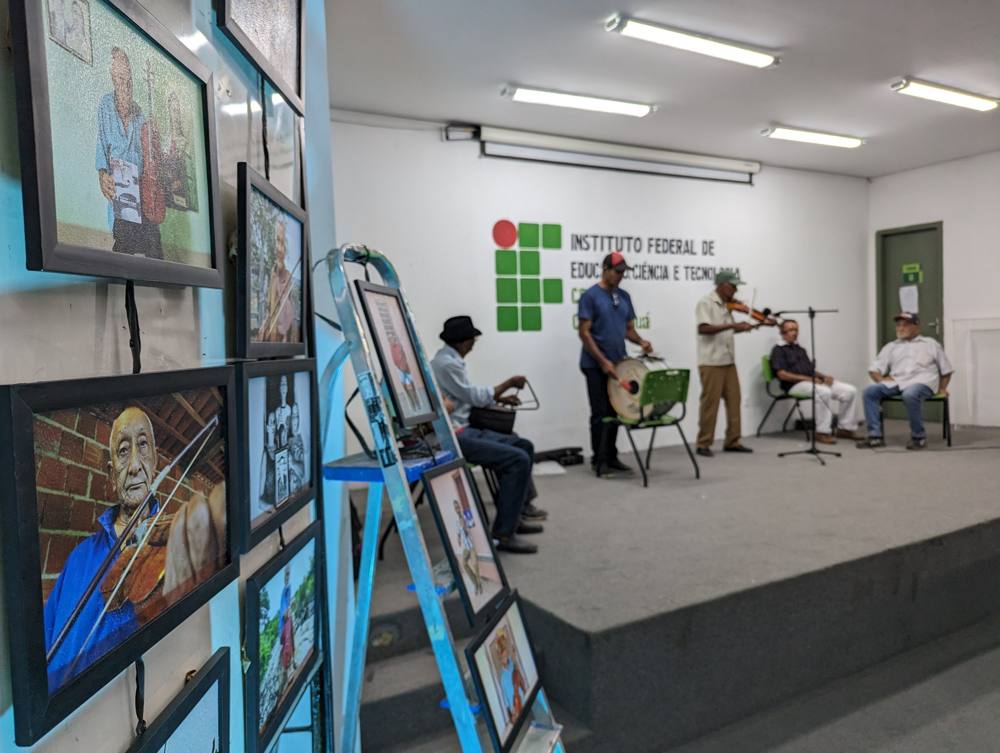
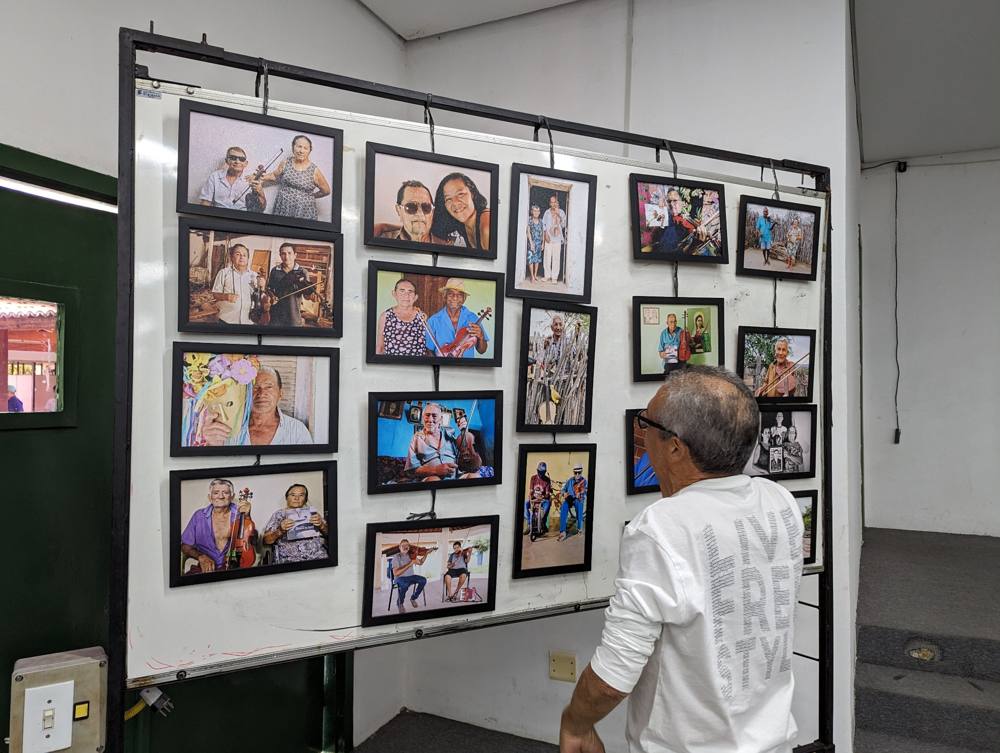
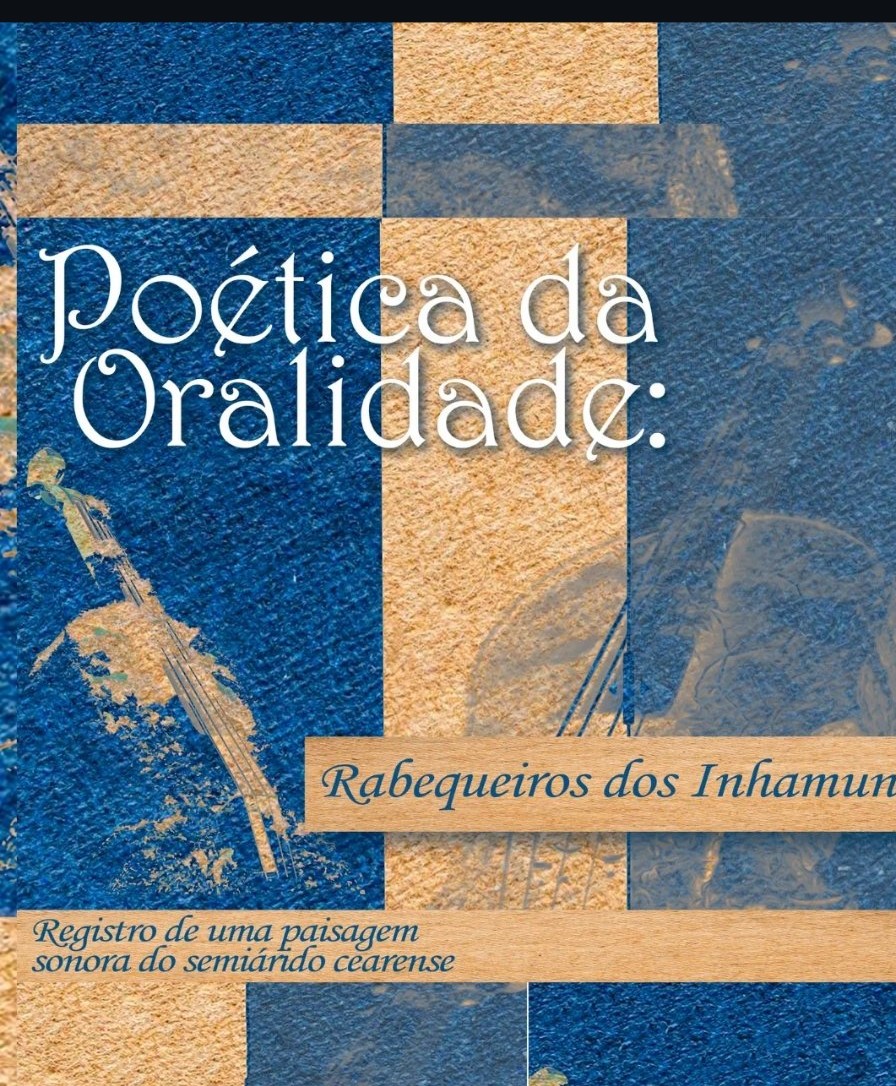
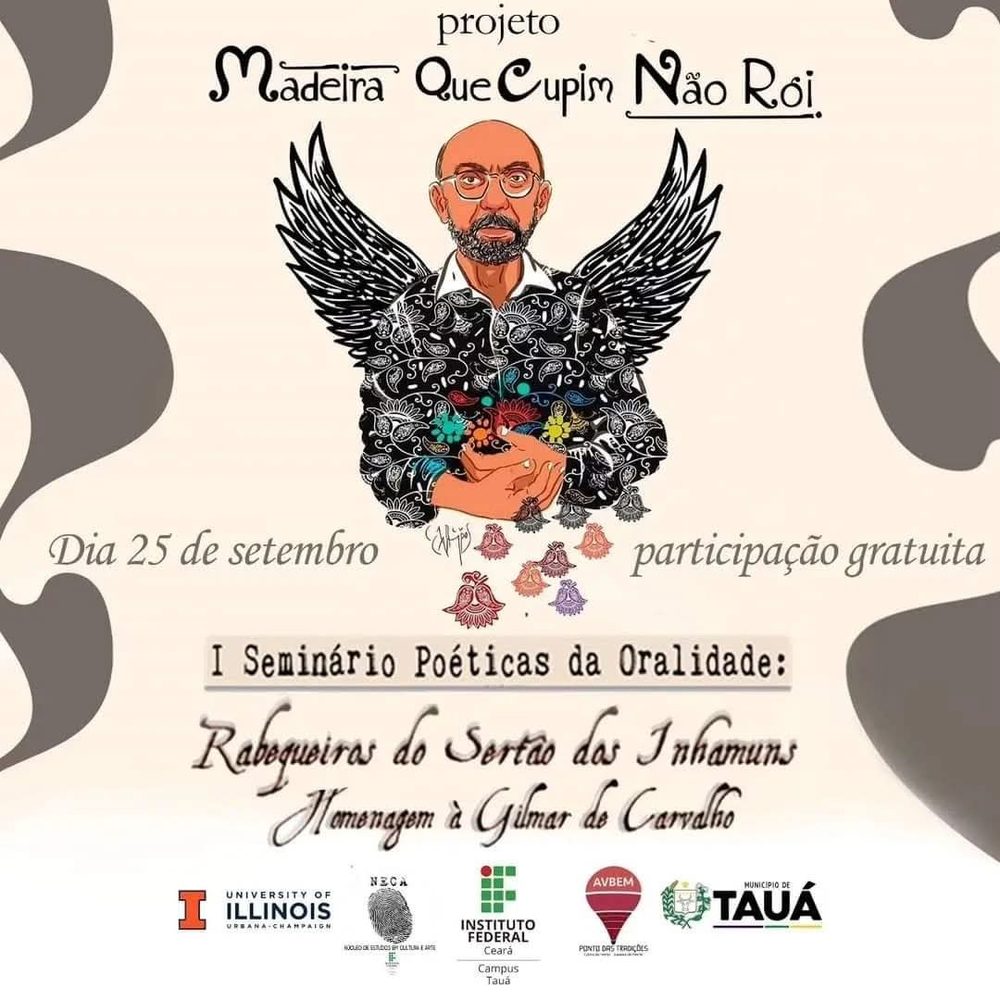
The Madeira work began in the pandemic, when travel to Brazil was impossible. My answer was to direct — and pay — a team of local researchers: Di Freitas and the AVBEM association in Juazeiro do Norte, and Auricélio Ferreira de Souza's students at the Federal Institute in Tauá. Together they mapped the rabequeiros, rabequeiras, and luthiers of Ceará, the players and makers of the Brazilian folk fiddle, the rabeca. The research was designed from the start to be used twice — by me, from home, and by the team that gathered it, for their own work. What it produced: an open research archive, public events with the Federal Institute of Ceará at Tauá, a book of the students' own research, an album, and a podcast.
Memória da Rabeca Brasileira — the podcast's second season (2022), a homage to Dr. Gilmar de Carvalho and the rabeca culture of Ceará. Hosted by Caio Padilha; I conducted interviews and contributed writing.
Listen — Memória da Rabeca Brasileira on Spotify.
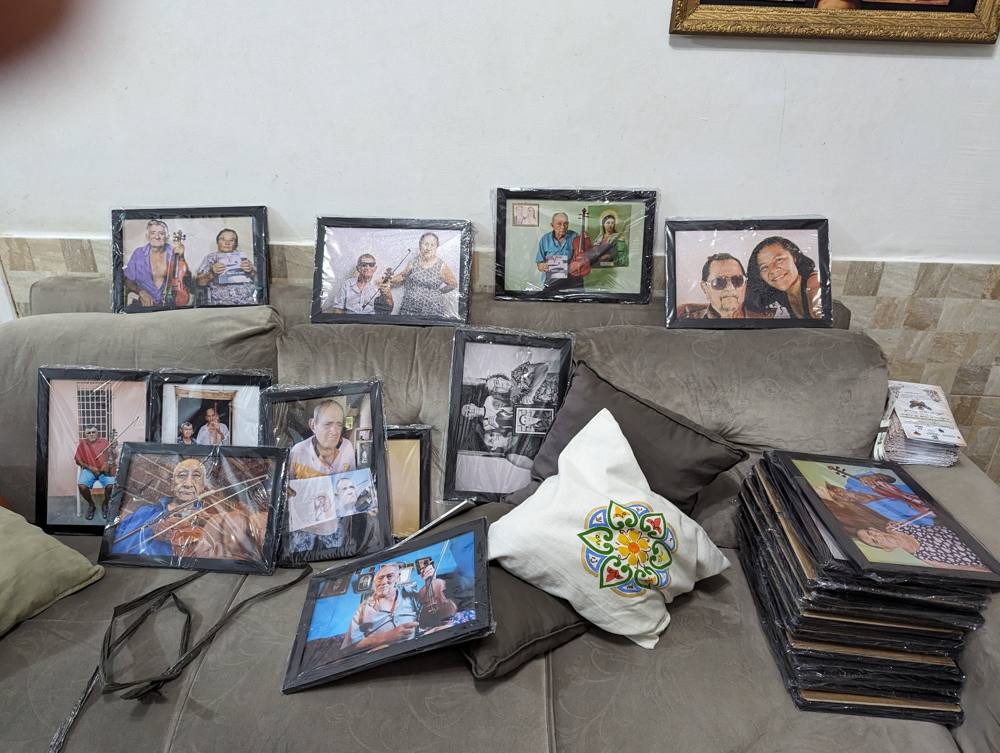
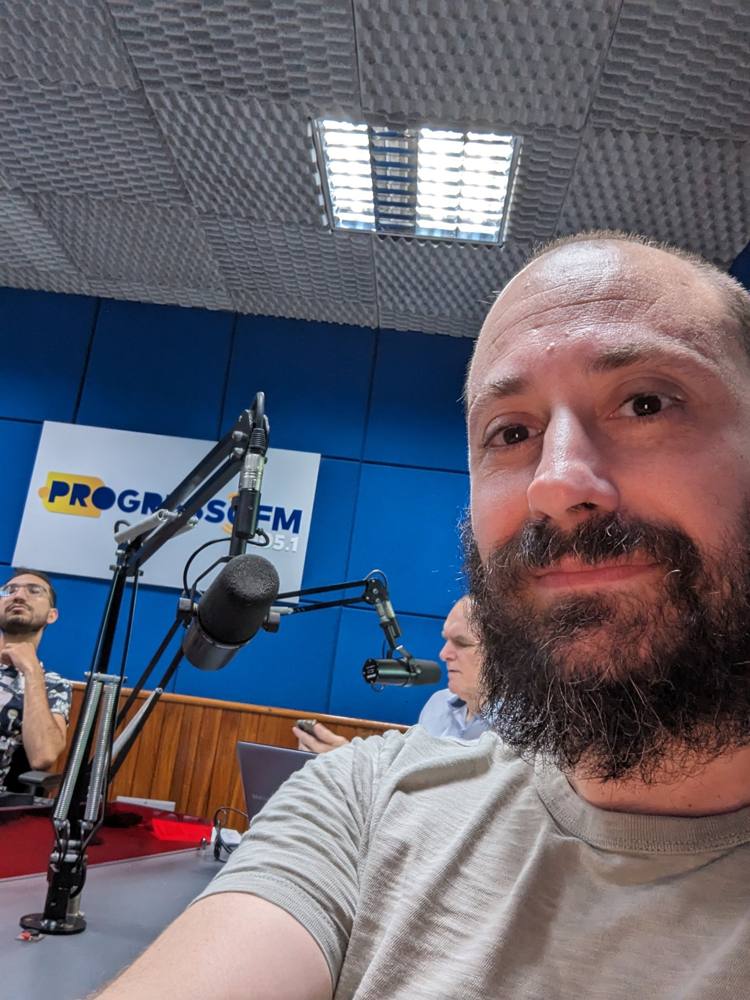
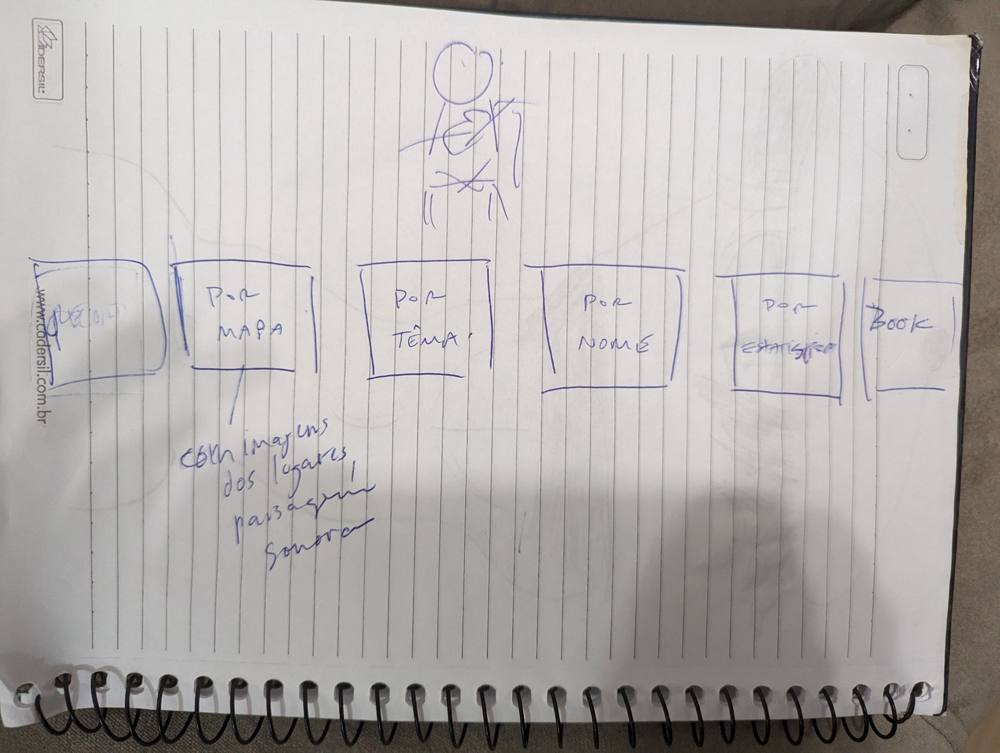
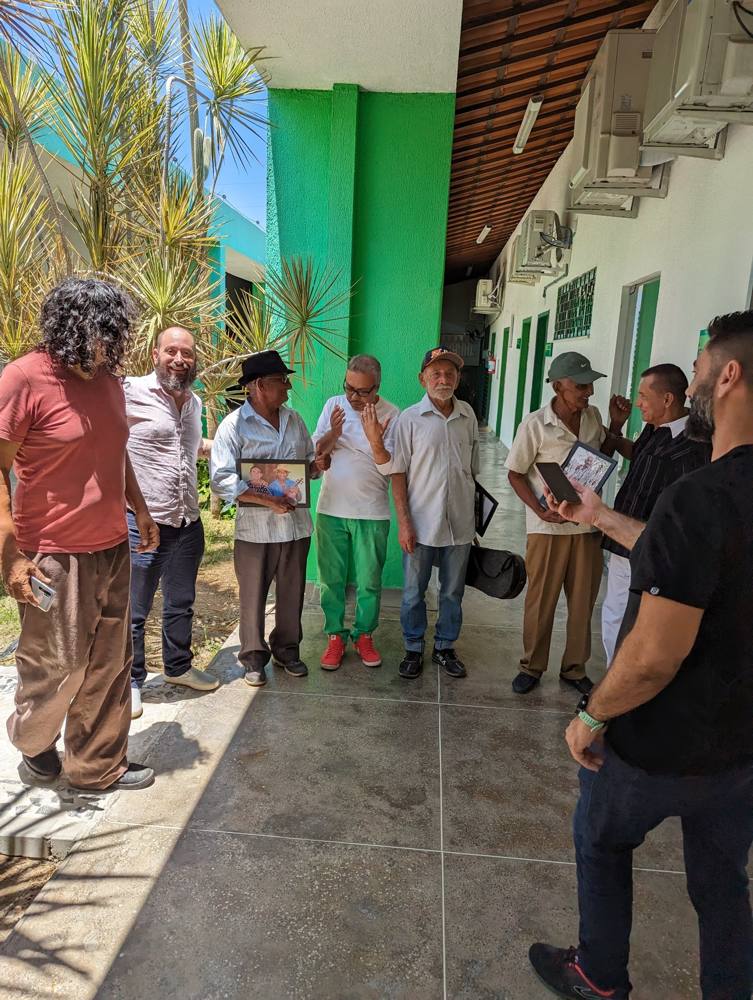
In the Field — Brazil
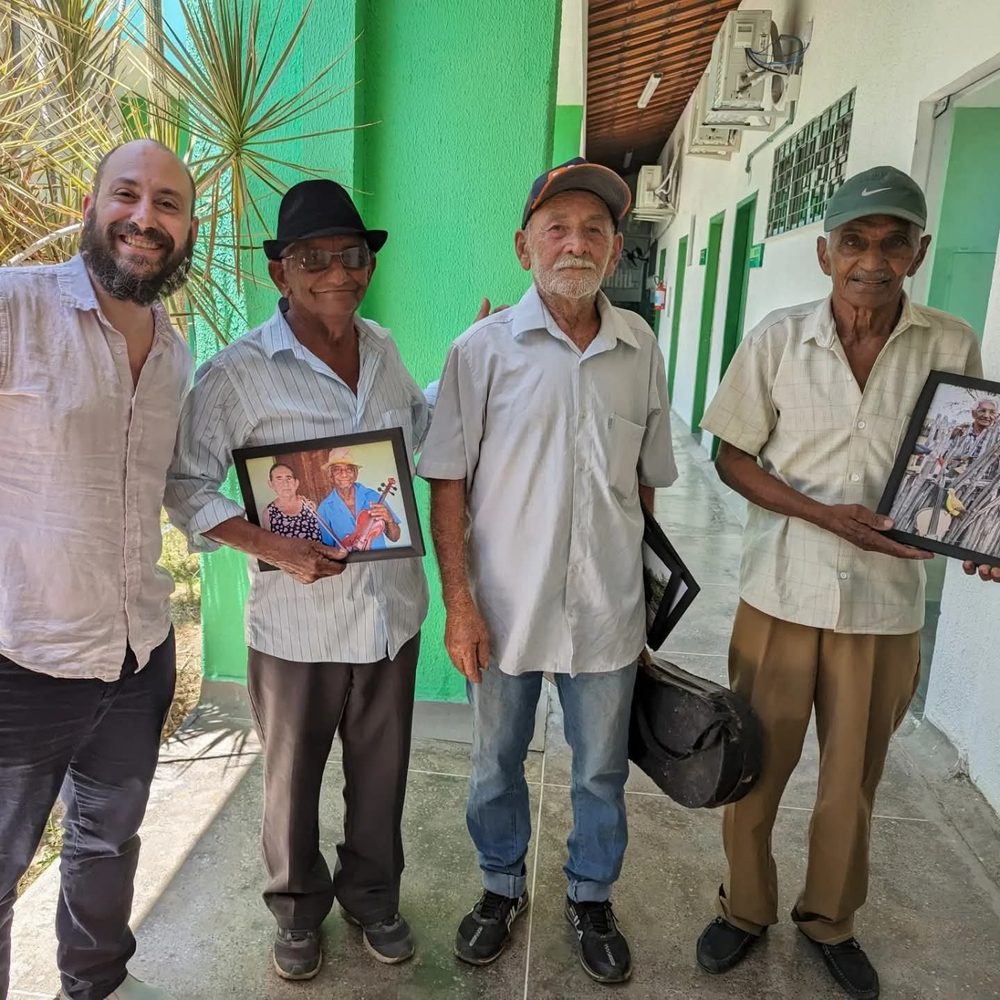
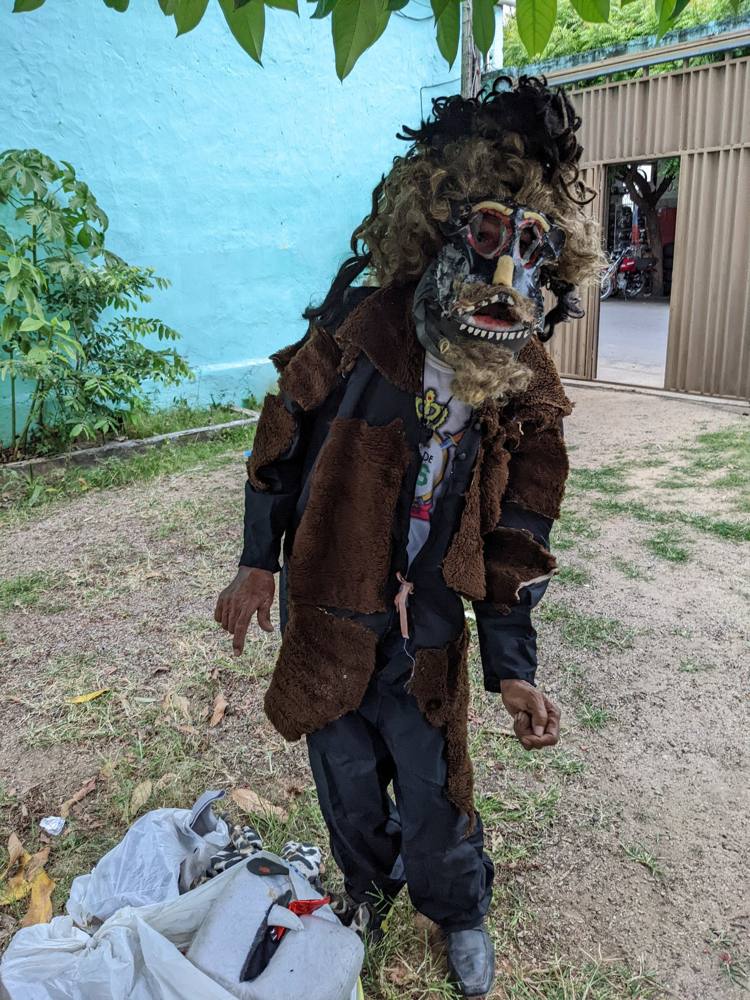
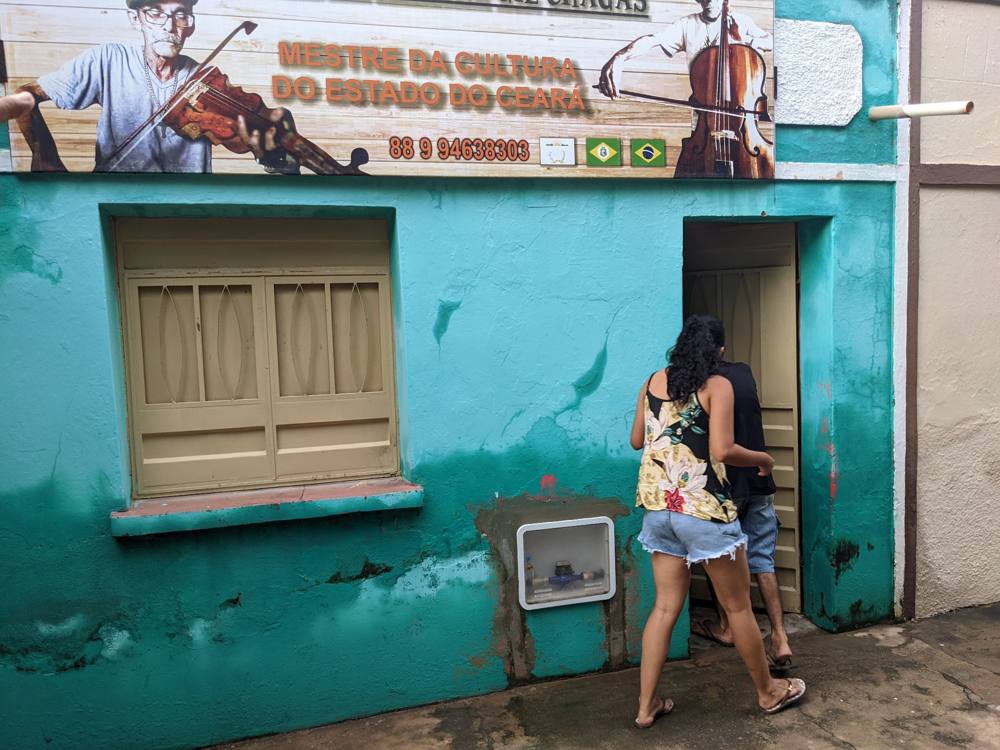
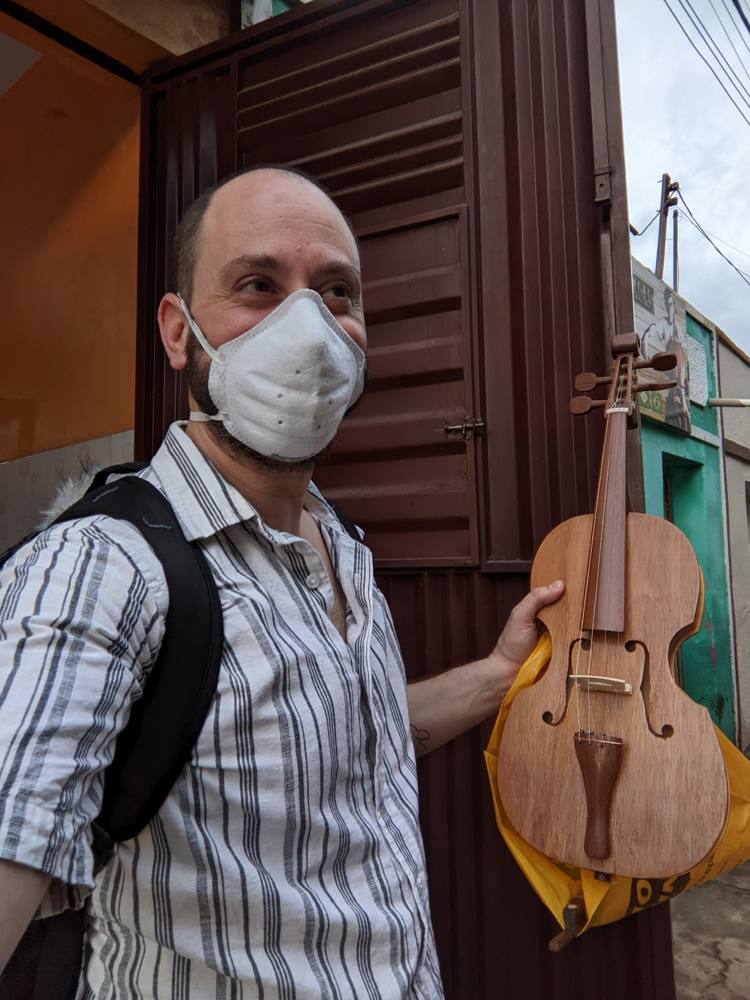
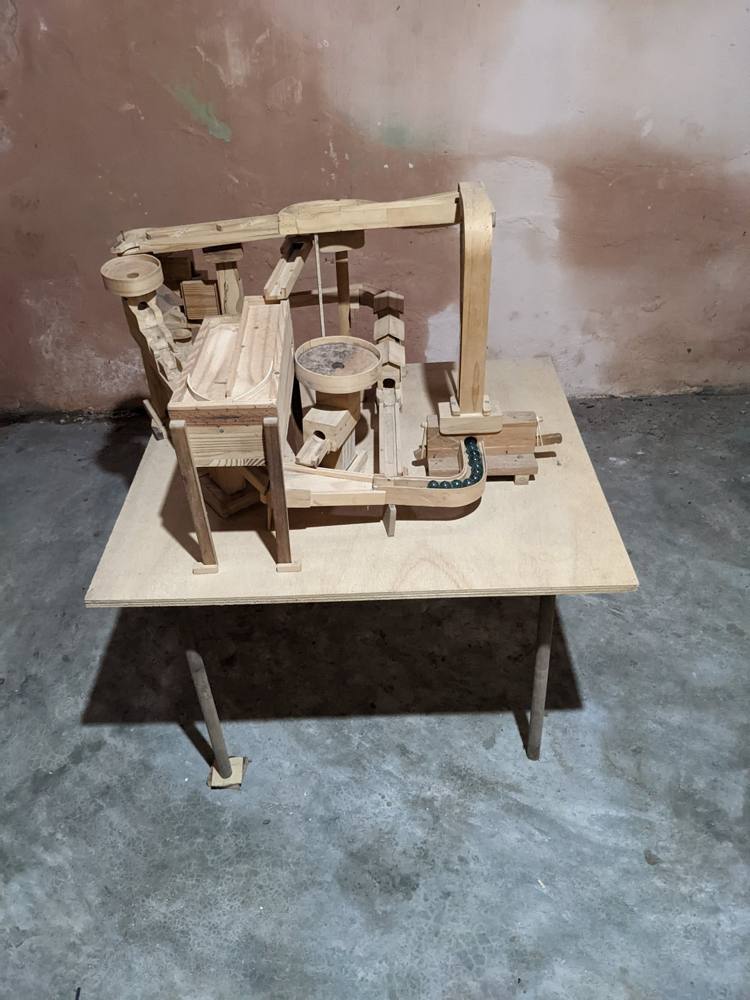
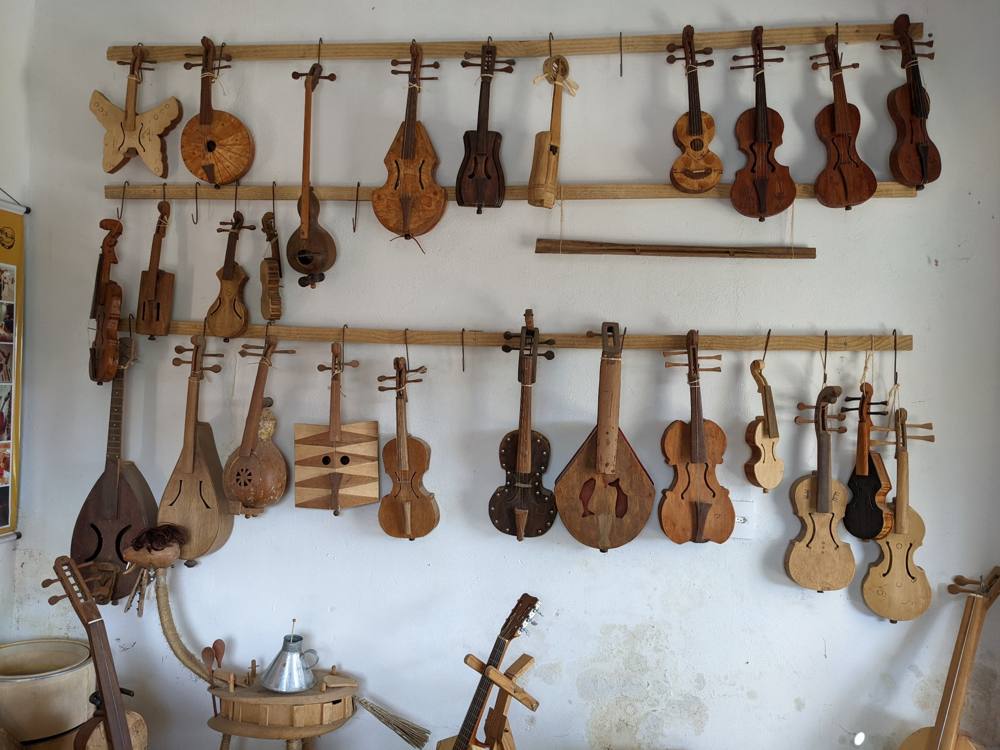
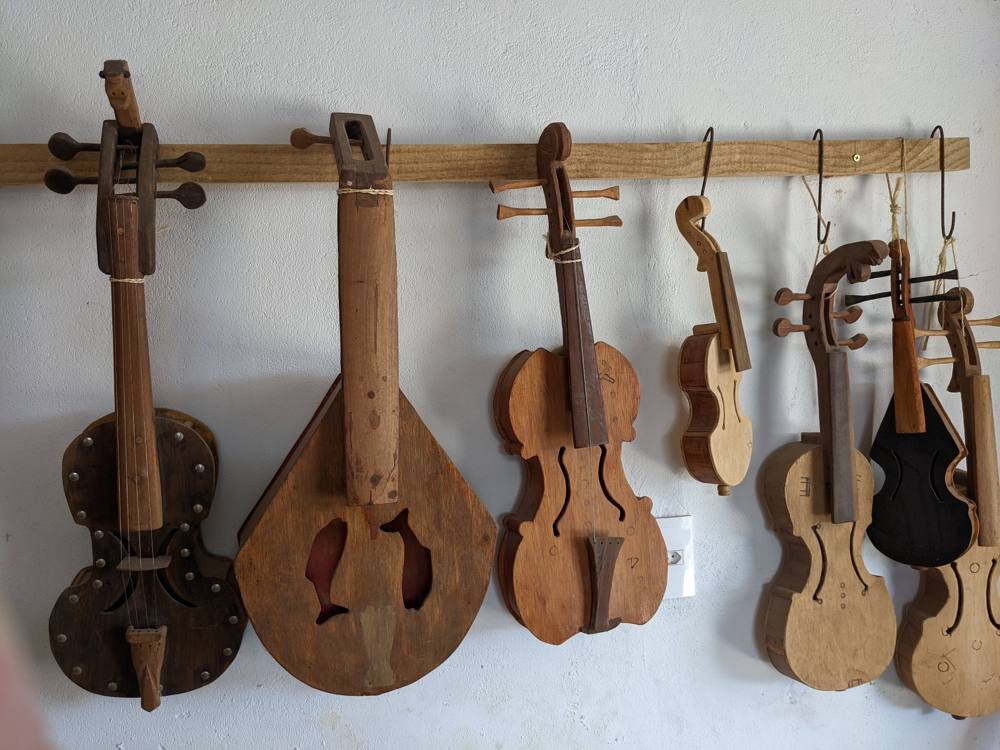
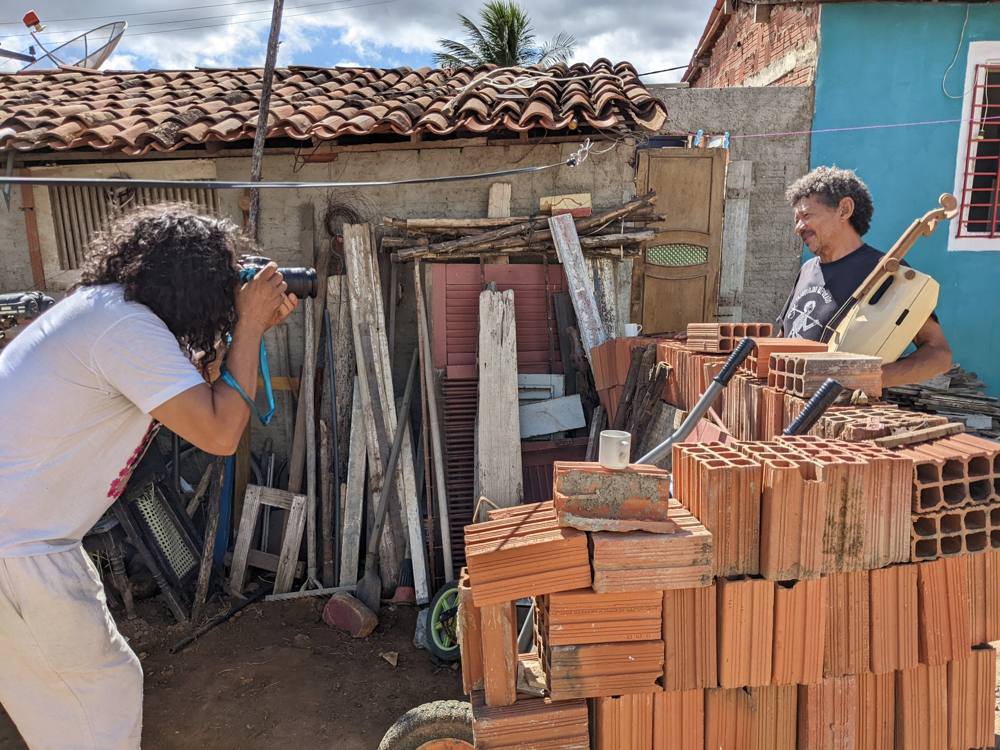
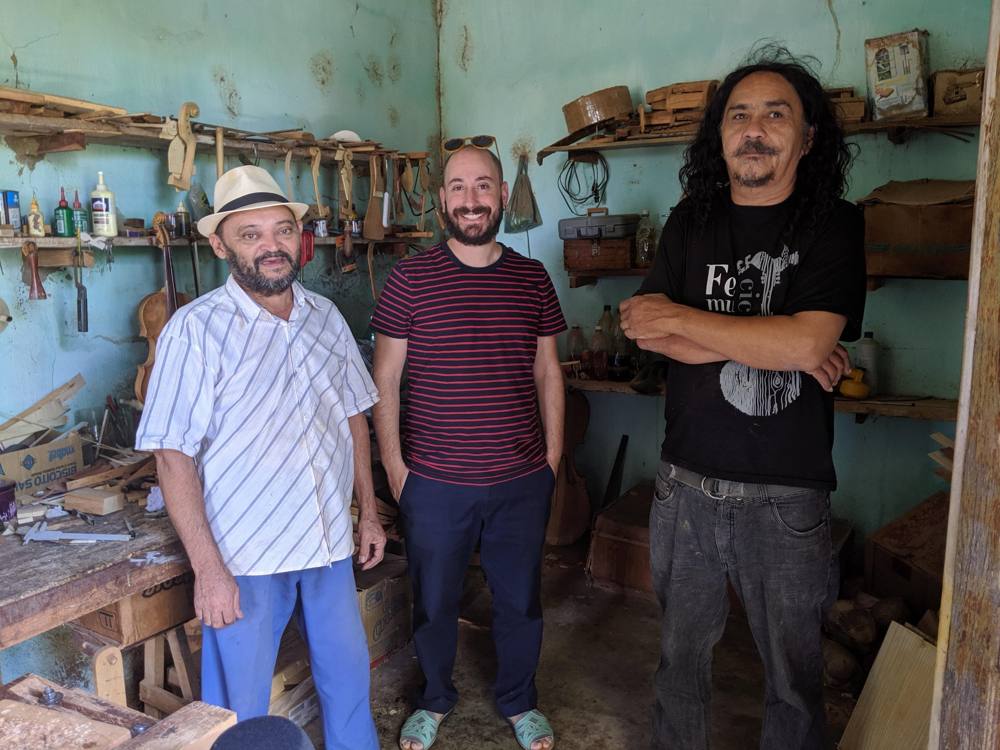
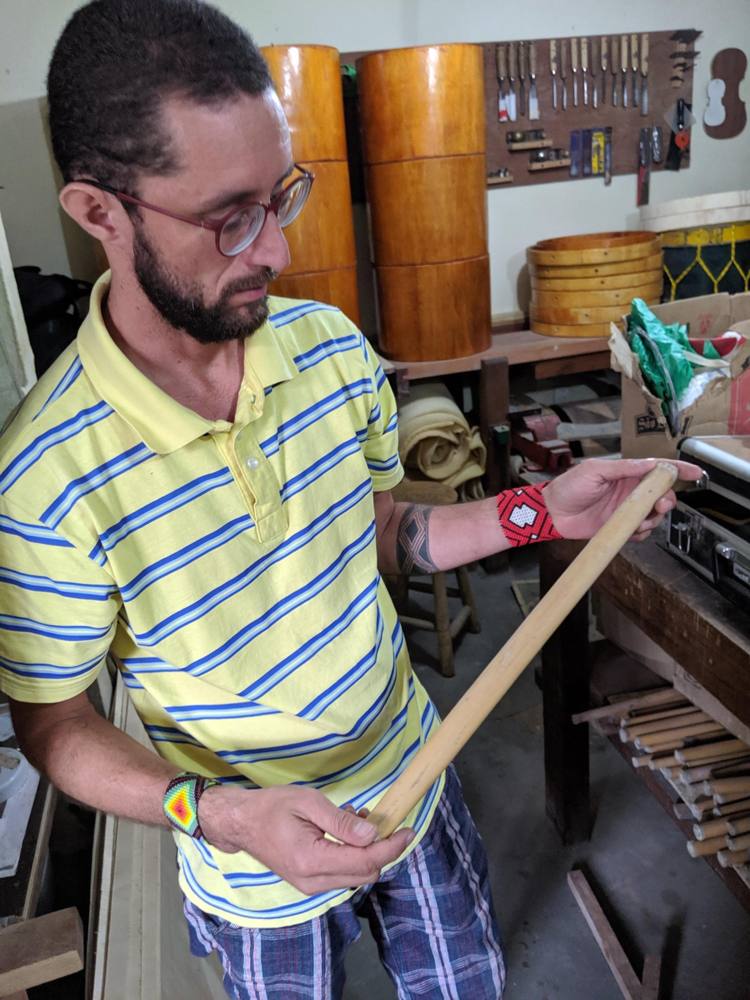
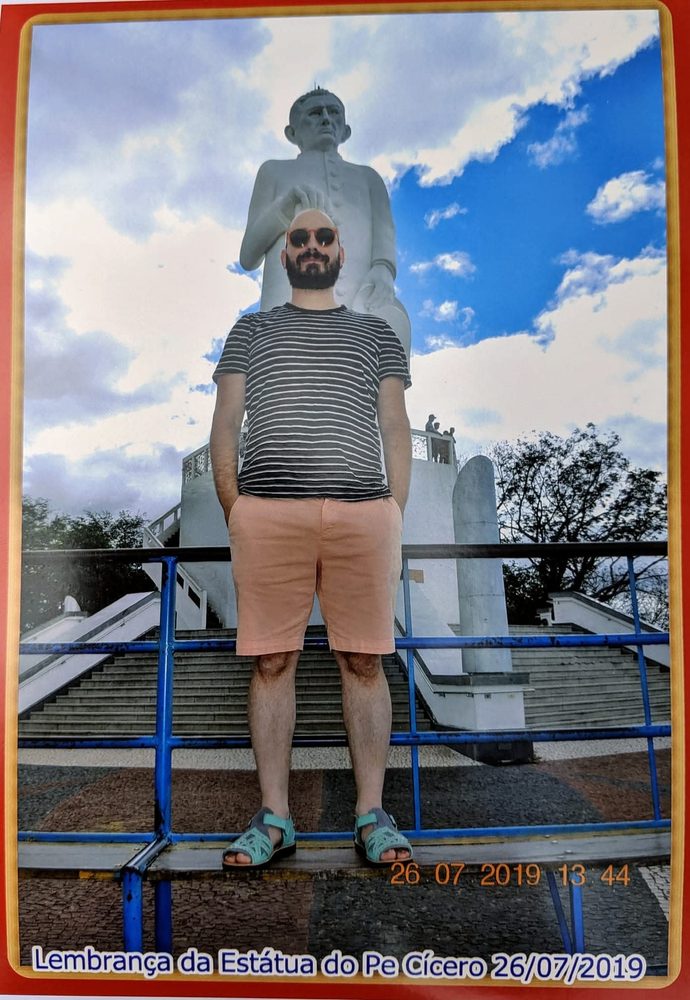
Fieldwork is where the mapping comes from — knocking on doors. In June 2022, traveling with Di Freitas, the trail led to the Ceará house of Mestre Gil Chagas — rabeca maker, kinetic sculptor, once a furniture maker — and to the Crato workshop of Aécio Ramos, whose wall is all rabecas. Then out into the street for the June festivals, days before the São José dos Campos exhibition opened.
Sensing Water
Sensing Water (2018– ) is my curated series of arts and humanities programs on water and expressive culture, funded by a $50,000 University of Illinois Presidential Initiative grant — “Hearing the Ocean, Seeing the Rain.” It follows the sound of water, its presence and its absence, from the Brazilian sertão to the American Southwest: visiting scholars and artists (Cara Stacey, on water, drought, and song in eSwatini), new work, a student-built Central Illinois Sound Survey — and Dry Signals, the drought sound diorama that lives under In the Gallery.
Sensing WaterThe project's site at the University of Illinois.Visit →In the Gallery
Venues for public humanities — the rooms where the work meets its public.
Signature Events — MIM
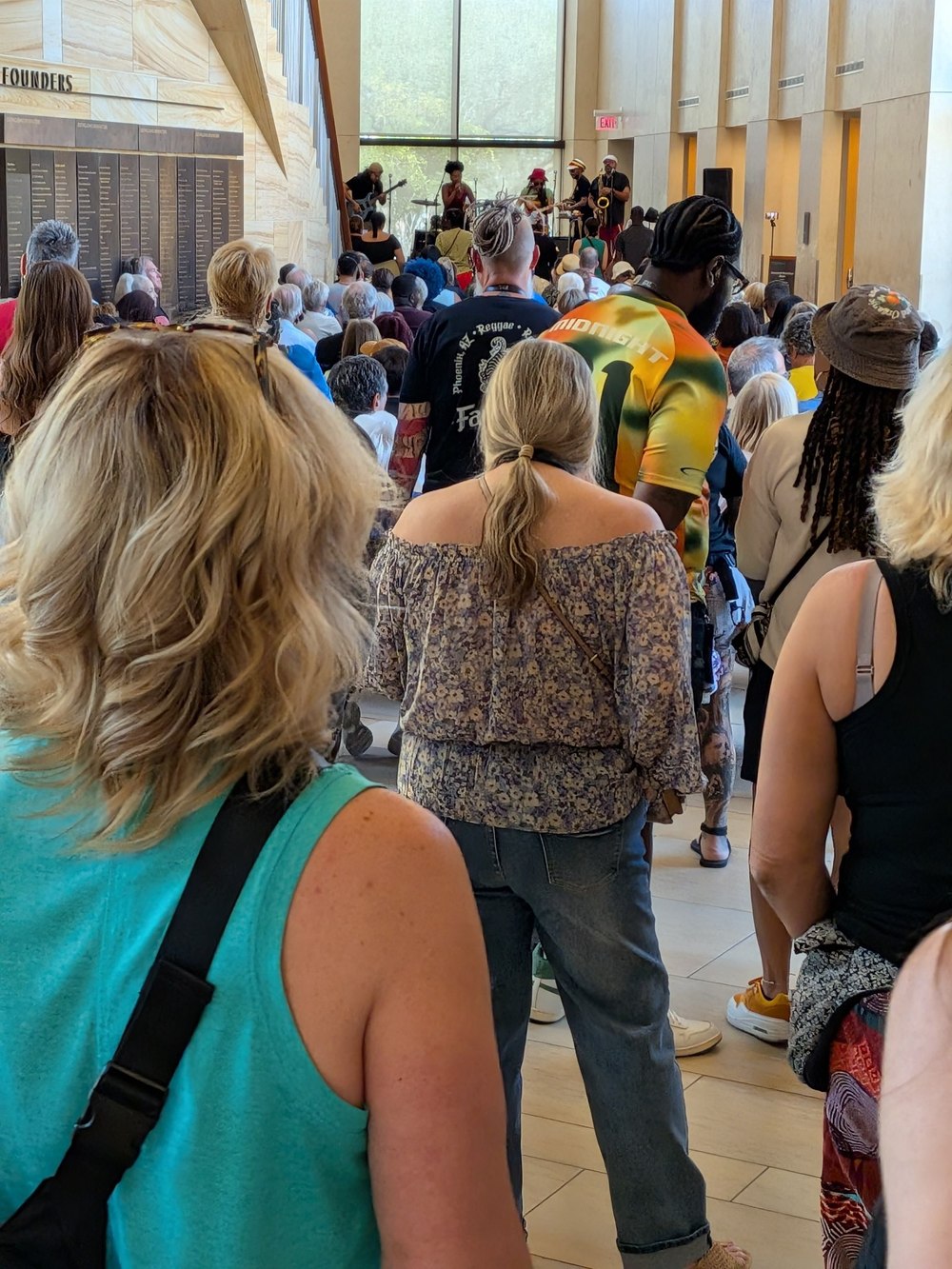
Celebrate Reggae — a Signature Event crowd in North El Rio, May 2026.
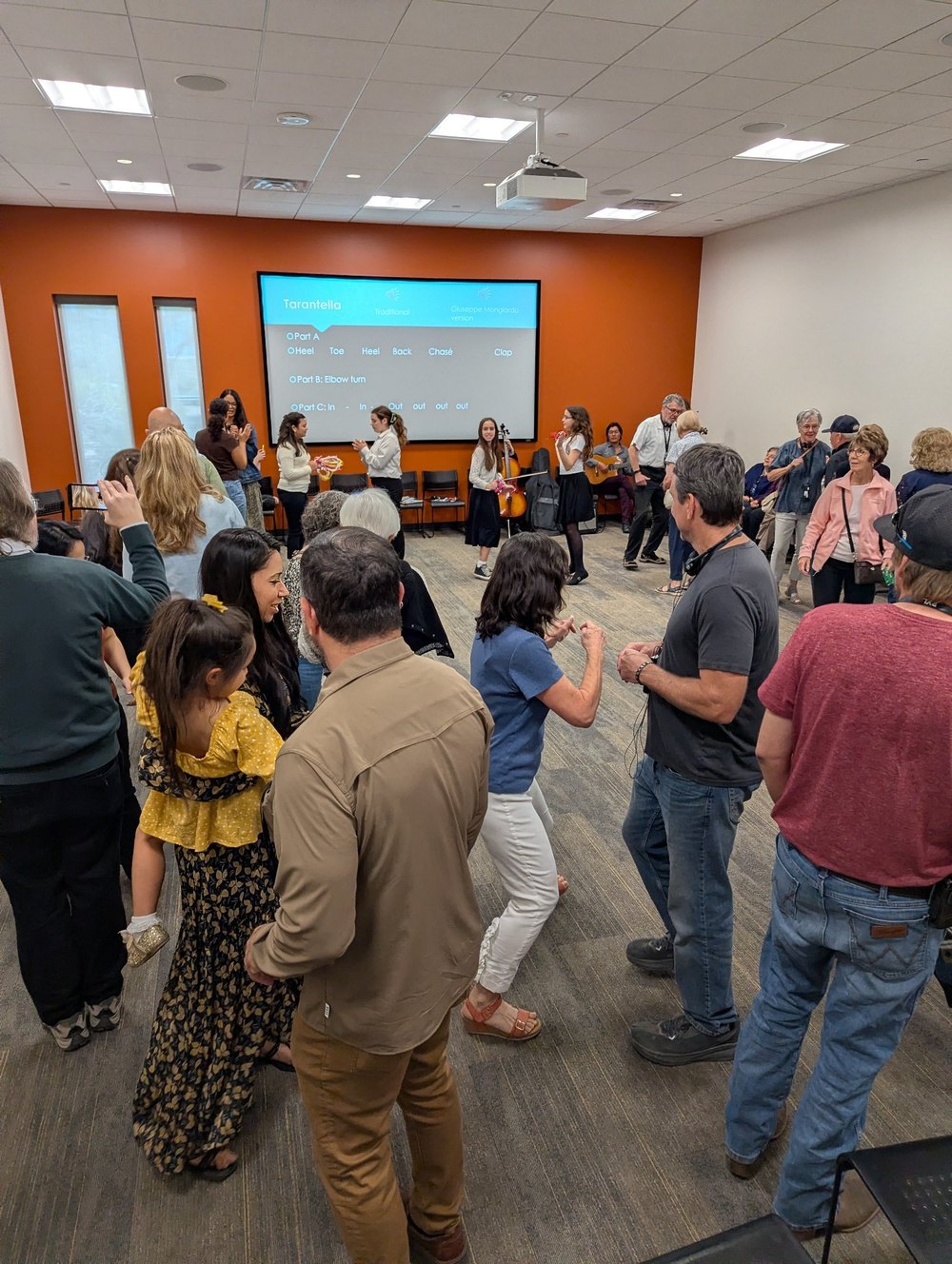
And everybody dances — a tarantella workshop at Spotlight on Italian Music, February 2026.
I develop the museum's Signature Events — the big themed days that fill the building. On my watch they have grown from thirteen to fourteen a year, and I have brought in topics the museum had never tried: Experience Korea, Celebrate Reggae, Celebrate Soul, Celebrate Global Jazz, Spotlight on Children's Music, Celebrate Mariachi. I also reframed the December event — from the holiday program 'Tis the Season to Joy to the World, joyful music from around the world, holidays included.
The STEM Gallery — MIM
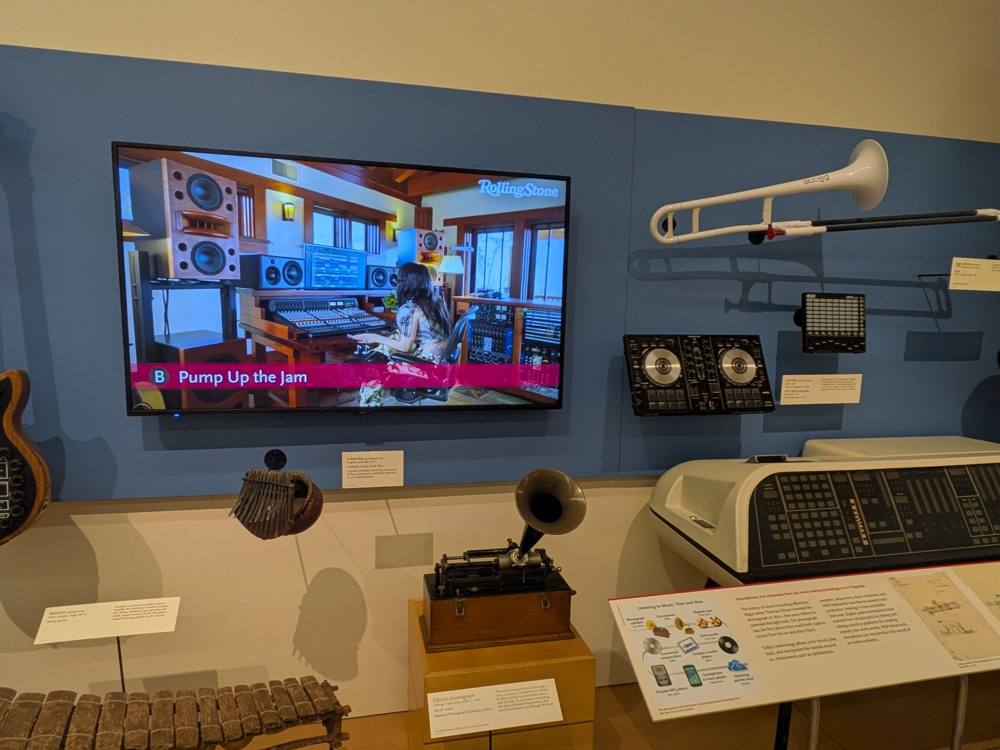
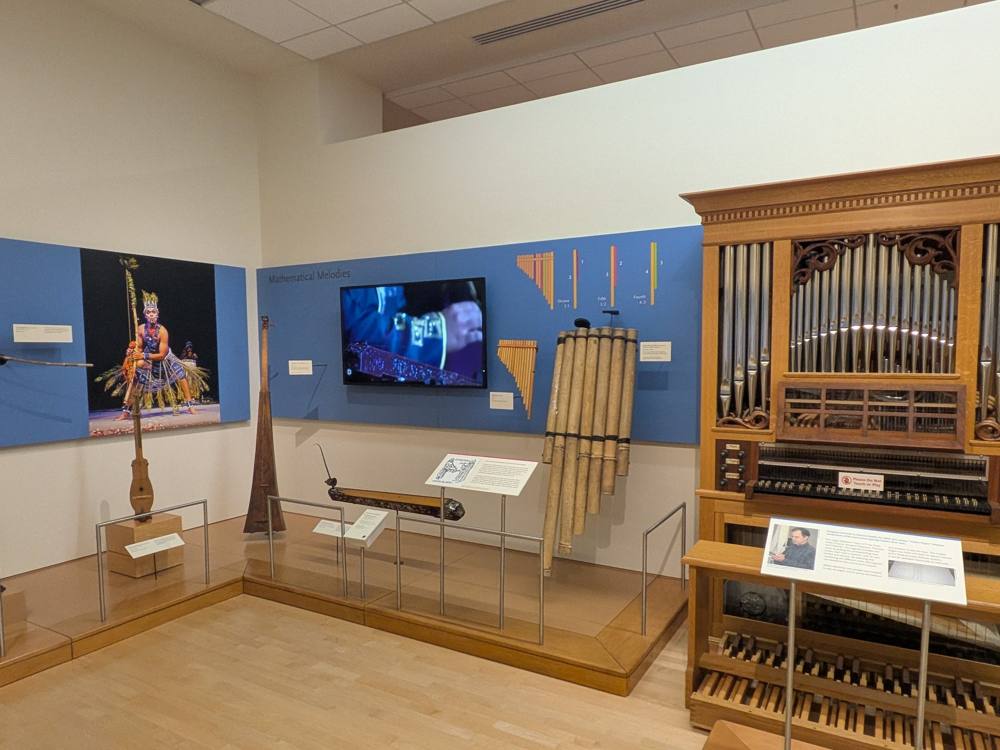
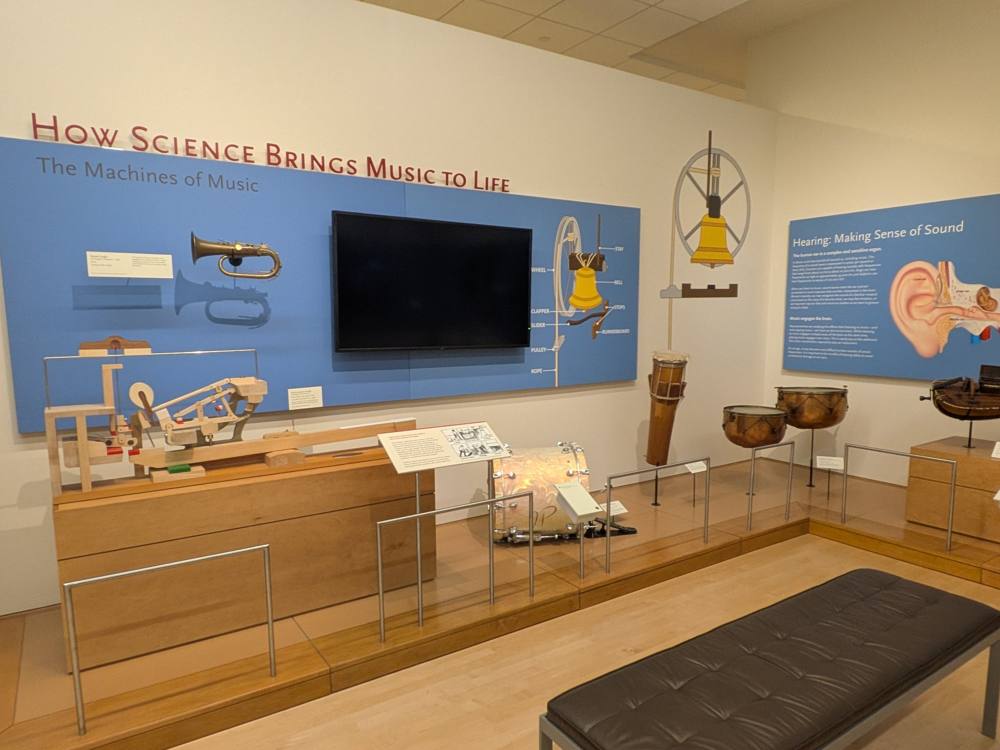
Half of the Musical Instrument Museum's STEM Gallery is my redesign — the gallery as a room you learn in, instruments treated as technology and sound as something you can take apart. On one wall hangs a mural photograph of Hamid Sidi, the malunga player I first hosted at UCLA as a graduate student. I proposed the portrait, with Hamid's permission; years later I walked the finished gallery with him, the two of us standing in front of it.
How Did This Bow Instrument Reach Two Continents? — the reunion with Hamid's instrument and its player, seventeen years on.
Dry Signals — Austin, 2015
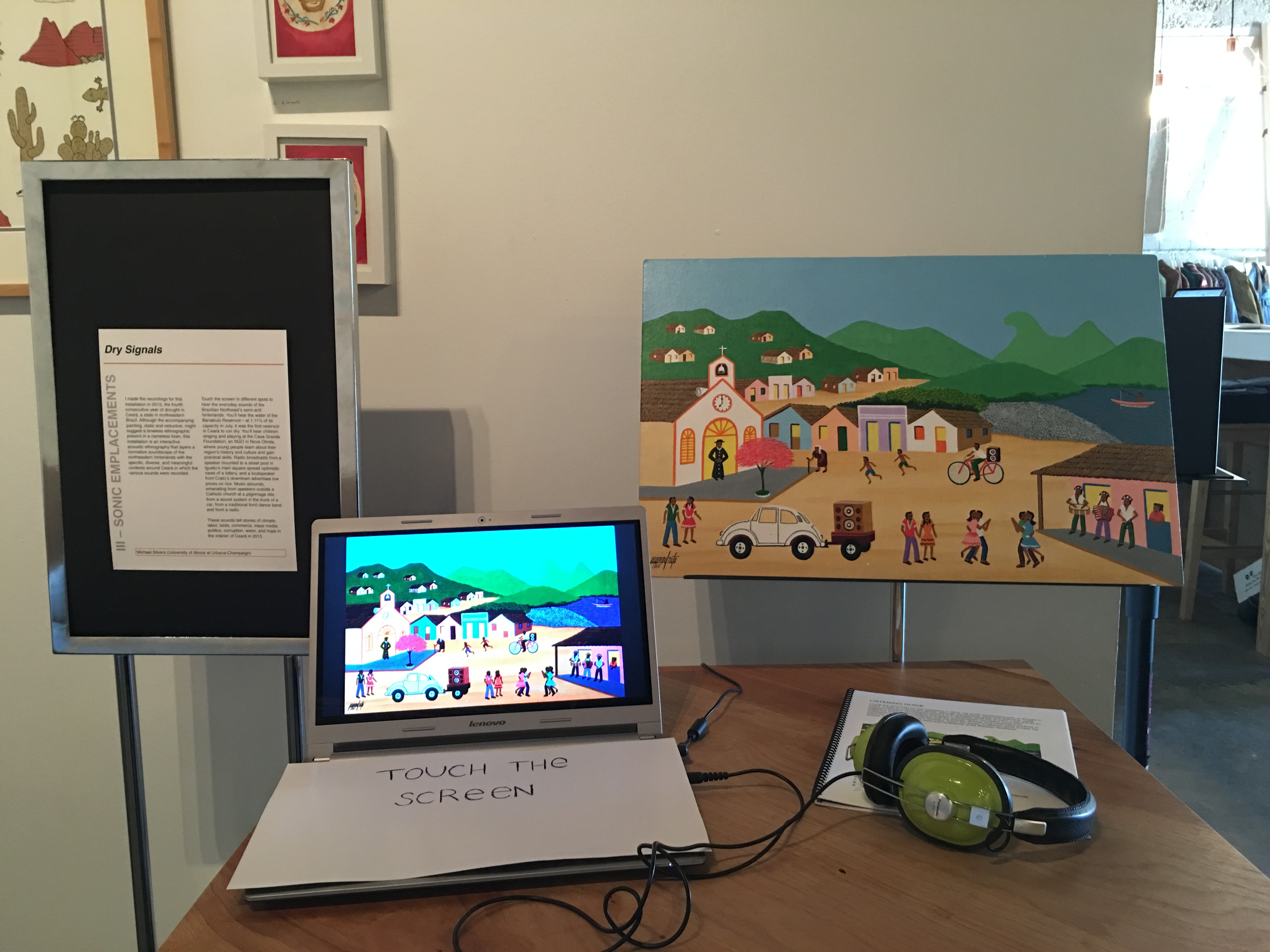
Dry Signals — installed at the Society for Ethnomusicology's Sounding Board, Austin, December 2015.
In 2015, the fourth straight year of drought in Ceará, I recorded nine soundscapes across the sertão — a reservoir at one percent of capacity, mass in Canindé, children singing in Nova Olinda, radio spilling from poles in Iguatu. Fortaleza painter Manoel Neto turned that world into one crowded town scene; visitors touched places in the painting to hear where they were standing. The installation later traveled online as an invited sound diorama for Sensate's “Sounds of the Anthropocene.”
The Listening GuideThe installation's companion booklet — all nine recordings, place by place (PDF).Read the booklet → Dry Signals, OnlineThe digital sound diorama itself — touch the painting, hear the sertão — in Sensate's “Sounds of the Anthropocene.”Experience it → The Writing — Hingehört! (2024)The chapter the installation grew into: “Listening for Drought, Hearing Water,” in the Würzburg volume Hingehört! Der Sound des Anthropozäns — Listen! The Sound of the Anthropocene (Königshausen & Neumann).View the book →Exposição de Rabecas — São José dos Campos, 2022
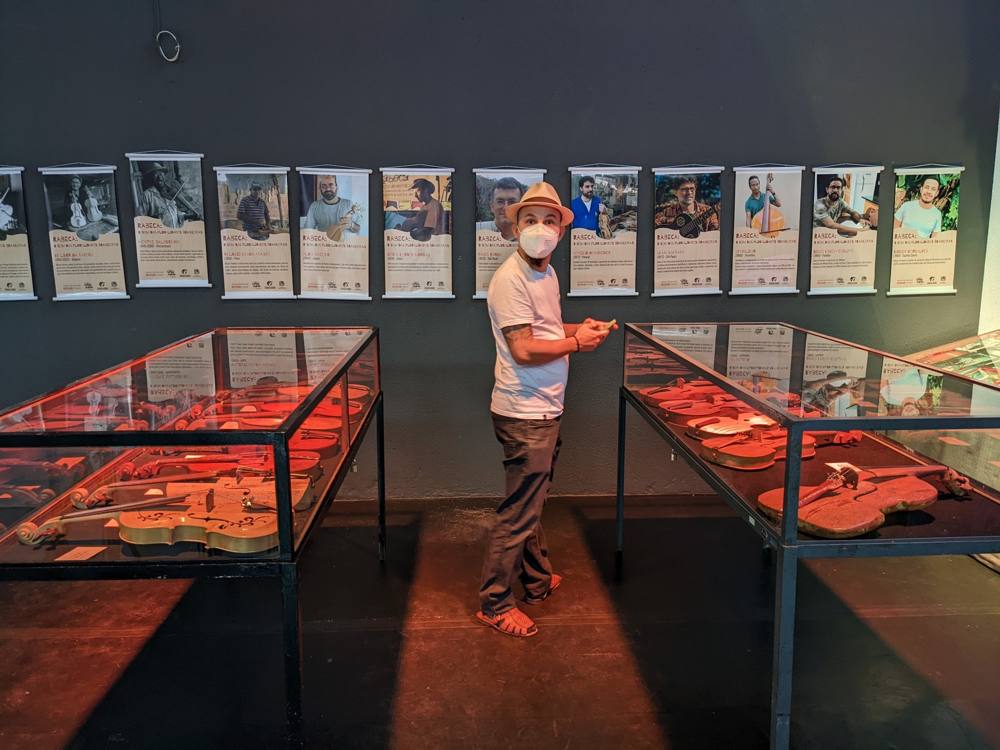
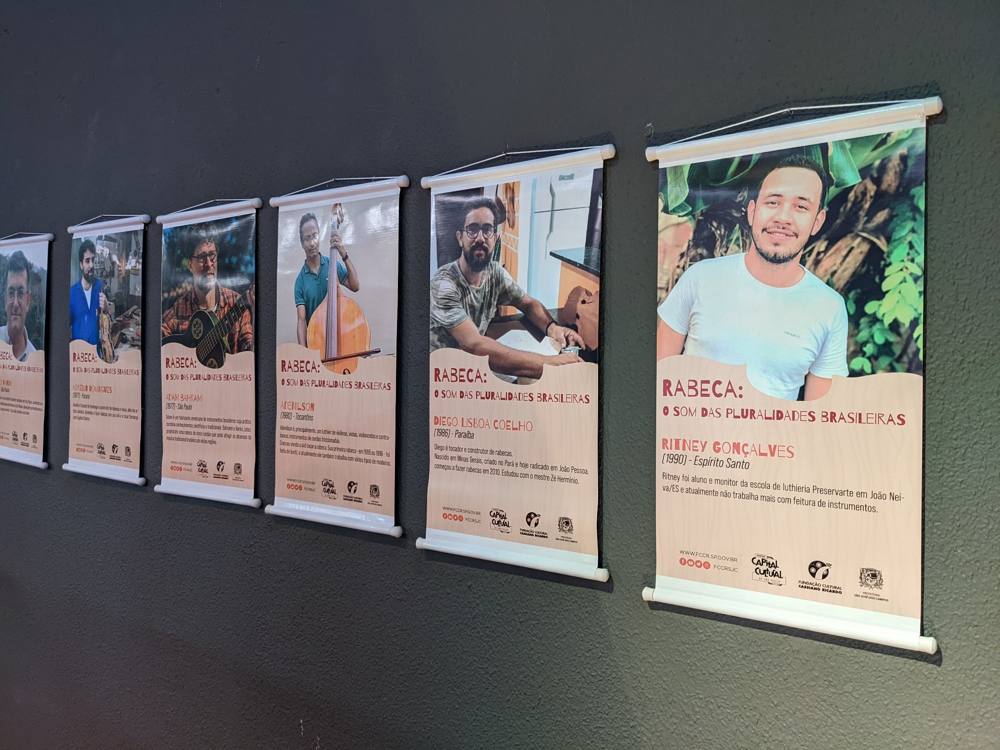
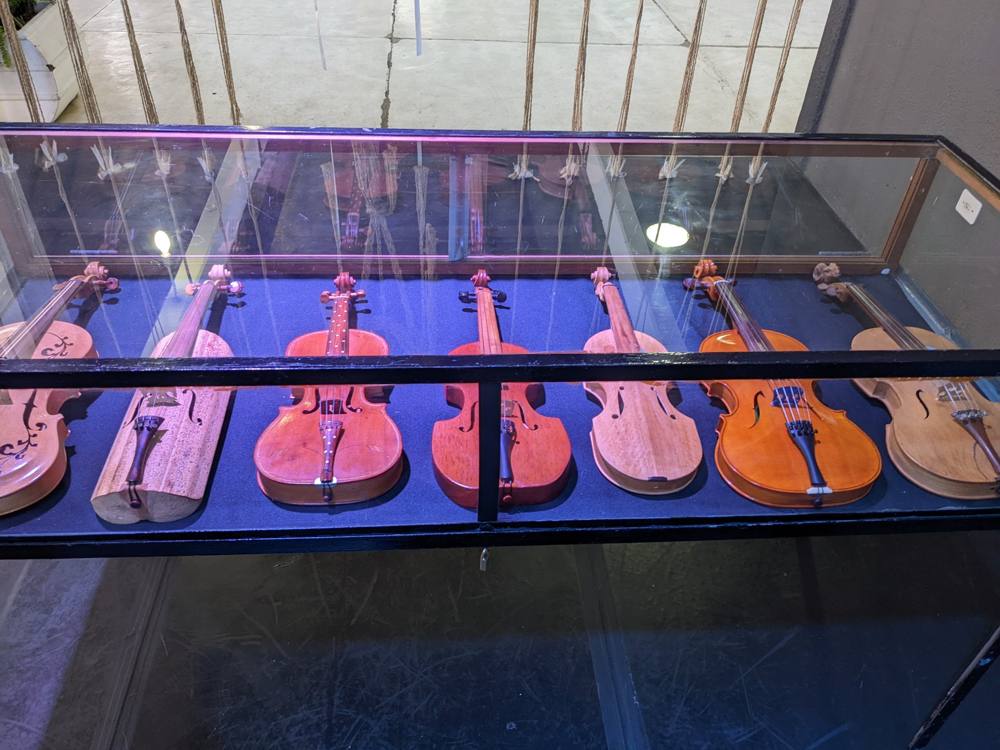
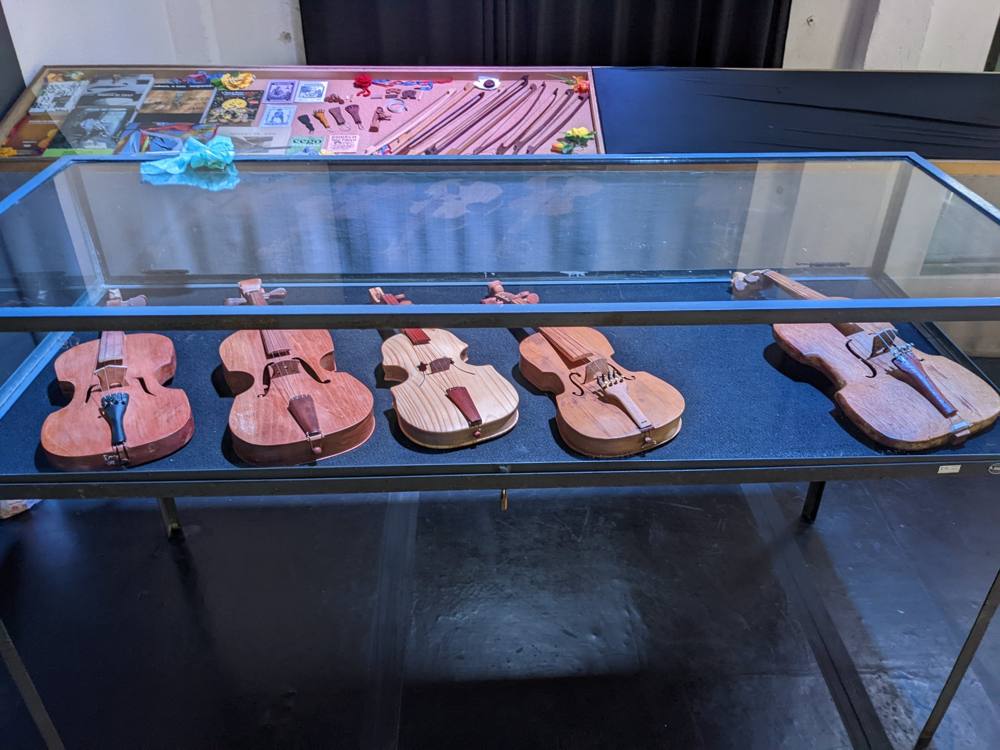
For this exhibition of rabecas at the Centro Cultural Clemente Gomes, I wrote the gallery texts — the words on the wall for the same fiddles the Madeira project maps. Rabequeiro Jeferson Leite, Fortaleza-born and a pioneer of teaching the instrument online, performed at the opening in June 2022.
In the Classroom
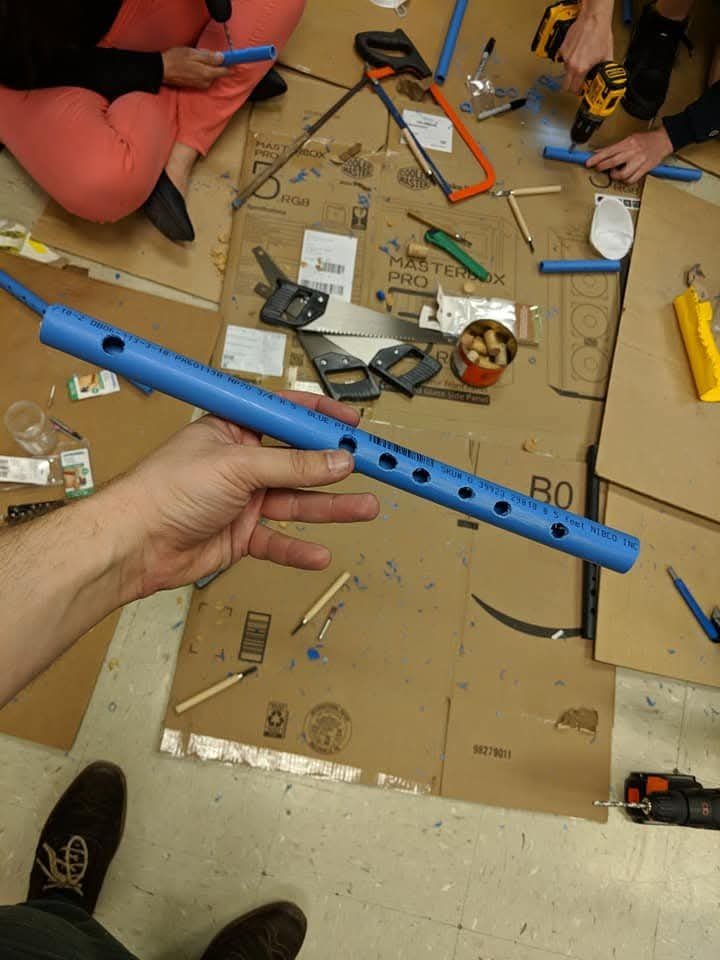
Courses taught and programs built — for students from six to a hundred.
Courses Taught
University of Illinois, 2013–2024
- FAA 110 — Exploring Arts and Creativity
- MUS 110 — Introduction to Art Music: International Perspectives
- MUS 133 — Introduction to Planetary Music
- MUS 252/450 — Brazilian Armorial Ensemble
- MUS 414 — Music and Animals
- MUS 416 / ANTH 416 — Anthropology of Music and Sound
- MUS 418 — Regional Studies in Musicology: Music of Brazil · Popular Musics of Africa · Music of the Lusophone World · Jewish Music in Global Contexts
- MUS 512 — Foundations and Methods of Musicology II: Introduction to Ethnomusicology
- MUS 514 — World Music Pedagogy
- MUS 520 — Social Theory for Music and Sound Studies
- MUS 522 — Latin American Art Music · Grant Writing for Music Fields
- MUS 523 — Seminars in Musicology: Musical Instruments and Society · Music and Ecology · Music, Gender, and Sexuality · Music, Improvisation, and Ecology · Theorizing Timbre
As Musicology Area Chair (2022–24), I also shaped the curriculum those courses live in — across the BA, BME, MM, DMA, and PhD.
Earlier classrooms
- Lecturer — UCLA & UC Riverside, 2012–13 — Music and Religion · Music of Latin America · Global Pop
Honduras, 2004–05 — the first classroom
General music teacher, grades 2–6, at the Escuela Internacional Sampedrana in San Pedro Sula — a 600-student international school, taught in English, the year before the PhD.
I threw out the textbook — quizzes on Beethoven’s birthday — and taught in a circle instead: folk songs together, and units on punta and reggaeton, the Beatles, and jazz history. Over Christmas I read A. S. Neill’s Summerhill and Paulo Freire, and came back with the room rearranged into learning centers: one where children took a tape recorder to ask the lunch ladies for songs from their childhood, then transcribed the lyrics — little ethnographic researchers — alongside stations for inventing their own notation, composing, and simply making noise. The sixth graders, who needed more structure, turned the Orff instruments into a gamelan.
The year ended in a rented theater with The Wizard of Oz: sixth graders in the leads, third graders as munchkins — and as set designers, their crayon drawings enlarged for the stage. When the accompanist didn’t show on the night, I accompanied the show myself. Some of those students still look me up.
Programs Developed
At the Musical Instrument Museum, 2024–
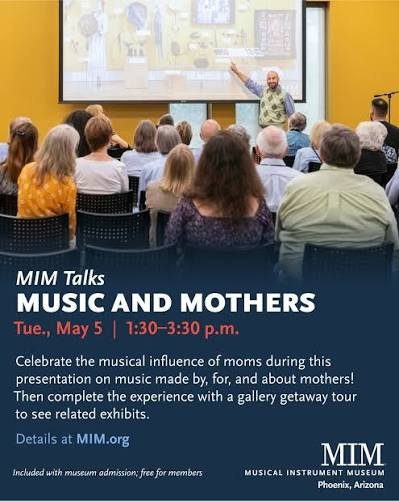
- MIM Talks — the museum's adult talk series
- World Choir Workshops — a monthly community choir
- Studio Recital Program — for young musicians
- Music and Wellness and Great Guitars — two of the museum's three adult tours
- Afternoon Interludes — a Friday-afternoon pop-up concert: remarkable local artists, from singer-songwriter Walt Richardson, who sometimes improvises songs on the spot, to performers from the Arizona Opera and a string quartet
- Fiestas: Latin America — a seventh school field-trip type, created; the existing six retooled
- Junior Museum Guides — reimagined for high school students
- Signature Event topics new to MIM — Experience Korea · Celebrate Reggae · Celebrate Soul · Celebrate Global Jazz · Spotlight on Children's Music · Celebrate Mariachi — and December reframed as Joy to the World
- Poetry & Music at MIM — an OLLI course co-taught with Rosemarie Dombrowski, Phoenix's first poet laureate
Earlier
- Os Kuduristas — co-directed the education program, Luanda and Brooklyn, 2012
About
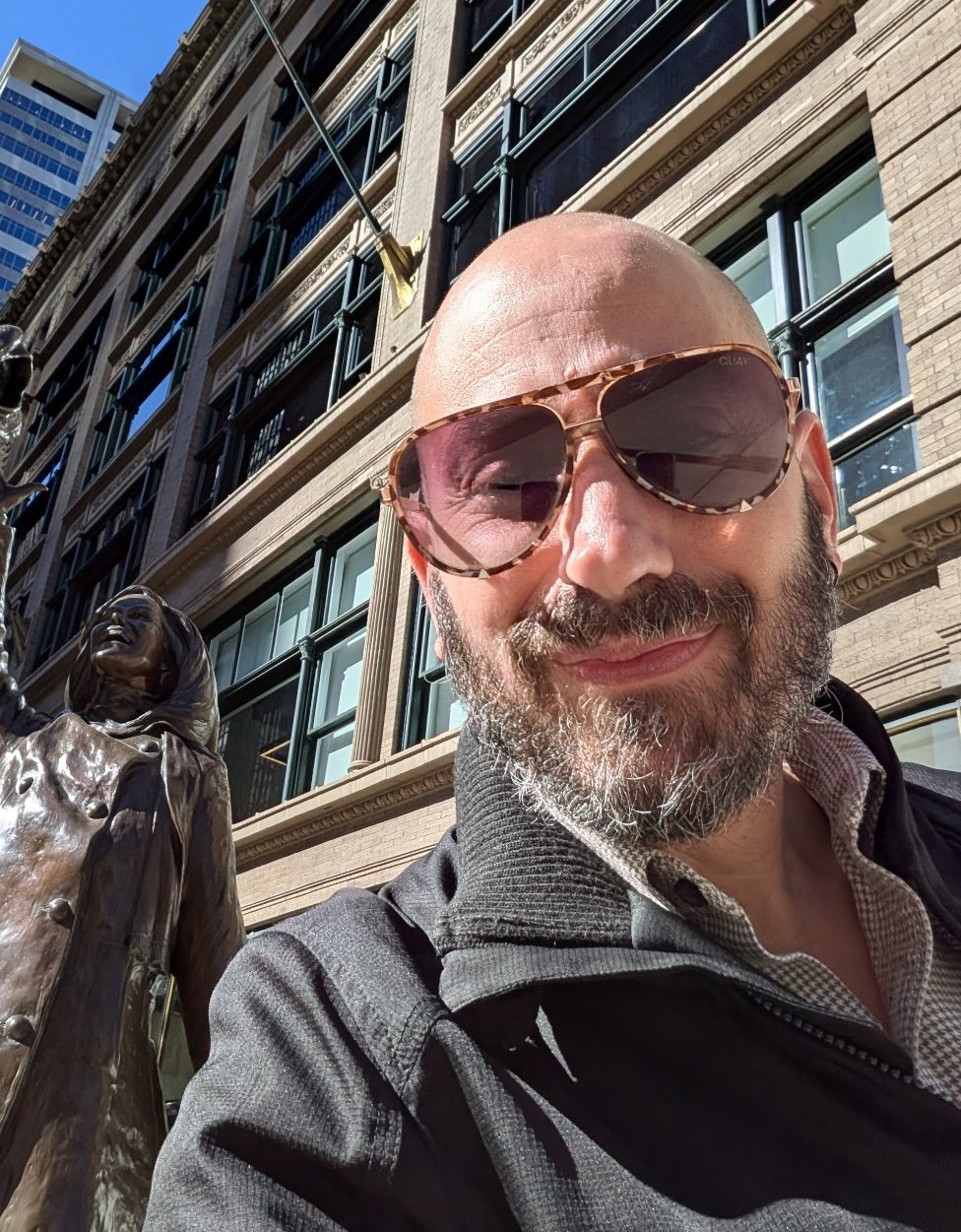
I am an educator and ethnomusicologist who likes to make cool things happen. I grew up in Tucson, lived in Maine, Honduras, Los Angeles, Brazil, and Champaign-Urbana, and now work in Phoenix — back home in the desert.
At UCLA I wrote a dissertation on music and drought in Ceará; at the University of Illinois, where I taught for eleven years and chaired the musicology area, that work became Voices of Drought and a small constellation of projects in the Cariri. A Carnegie Fellowship let me spend years on the materials of music — the pernambuco of violin bows, the woods of the rabeca. When the pandemic made travel impossible, I directed and paid a team of local researchers there, building the research so both sides could use it — their publications and events alongside mine.
Since 2024 I have been Curator of Education at the Musical Instrument Museum, where I created the museum's adult education programming — talks, choir workshops, tours, and events that treat music as something a community does together. My talks play a lot of music and end, more often than not, with everybody singing.
I have taught students from age six to age one hundred. I play accordion terribly and banjo even worse. I’m a baritone. I enjoy spending time with my rabbits.
Across Time
Seven stops, one through-line.
c. 1990Tucson
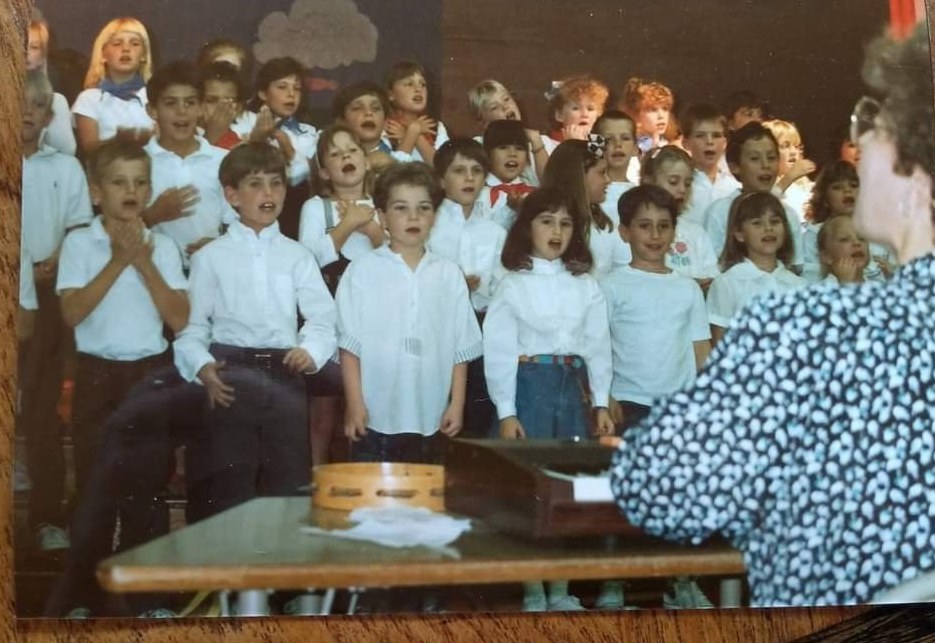
School choir — the first ensemble. That’s me front and center, white tee, mid-song.
2002College
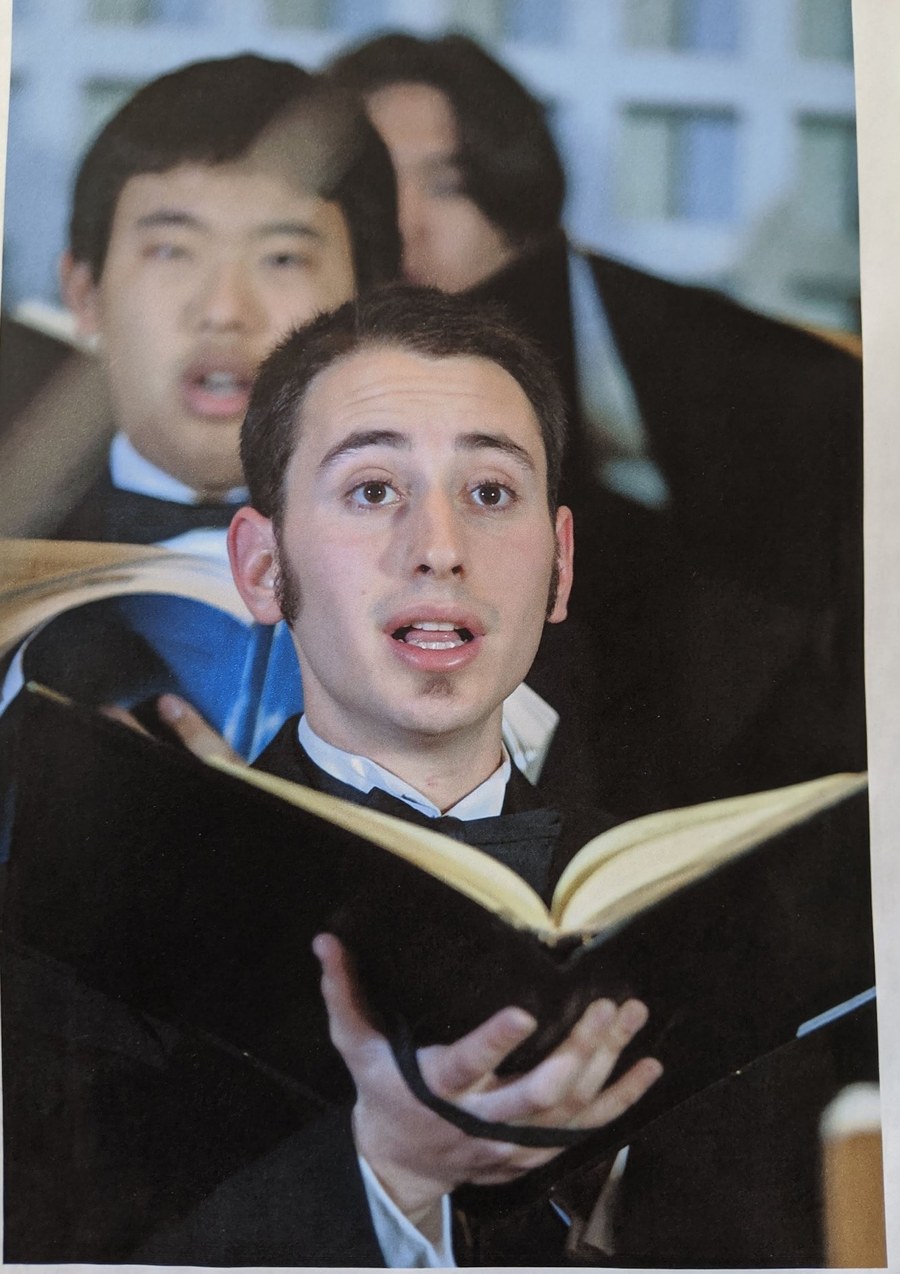
Thriller — the Bates Deansmen, my college a cappella group, on Icelandic television.
The senior thesis — Cantata do Cangaceiro, a 45-minute cantata I composed from a Brazilian literatura de cordel about Lampião, scored for full orchestra and choir, with two flutes in harmony like pífanos, an accordion part, and a triangle. Performed to a packed house.
Hear it — the live concert recording, all ten movements:
- 1 · a banda de pífano 3:51
- 2 · Lampião 2:40
- 3 · fez justiça 3:52
- 4 · a burguesa 4:03
- 5 · roupa, comida, e dinheiro 2:19
- 6 · honra e gloria 3:03
- 7 · a perseguição 7:07
- 8 · 3 tiros 3:56
- 9 · Maria Bonita 4:08
- 10 · azulão 6:08
From the same concert — the welcome, the opener, and the packed house at the end:
- Welcoming comments 2:29
- Asa Branca 4:33
- Applause 0:35
2009–10Fortaleza
Viva São João! — Fortaleza, filming on a Fulbright-mtvU fellowship. I'm in this one, dancing.
c. 2010Grad school
Pajdusko Horo — Orkestar Balkan, the Bulgarian wedding band from my UCLA years. I’m on accordion.
2019The workshops
Ceará, July 2019 — in a luthier's workshop, on the Carnegie-funded rabeca research.
2022Back in the field
The rabeca from Gil Chagas — bought from the maker at his house, June 2022.
NowPhoenix
Listening to the Sonoran Desert — at the Musical Instrument Museum, where I work now.
Contact
CV
The short version. The full curriculum vitae is a PDF, below.
Education
- PhD, Ethnomusicology — UCLA, 2012
- MM, Musicology — University of Arizona, 2007
- BA, Music — Bates College, 2004
Positions
- Curator of Education — Musical Instrument Museum, 2024–
- Associate Professor of Music — University of Illinois, 2013–2024 (Chair, Musicology Area, 2022–24)
- Lecturer — UCLA & UC Riverside, 2012–13
- General Music Teacher — Escuela Internacional Sampedrana, Honduras, 2004–05
Selected Fellowships & Grants
- Andrew Carnegie Fellow, 2019
- Fulbright Scholar, Brazil · Fulbright-mtvU Fellow, 2009
- ACLS · NEH · Humanities Without Walls (co-PI)
- $538,000+ in research funding across my career
Leadership & Service
- Convened Sound Methods for a New World, UIUC, 2023
- Co-convener (with Carlos Carrillo) of the Puerto Rican music conference
- Coordinator of the Musicology Colloquia, as Musicology Area Chair
- NEH review panelist · Graduate fellowship committees
- MIM's representative, PVCC President's Community Advisory Council
The complete publication list lives under On the Page.